
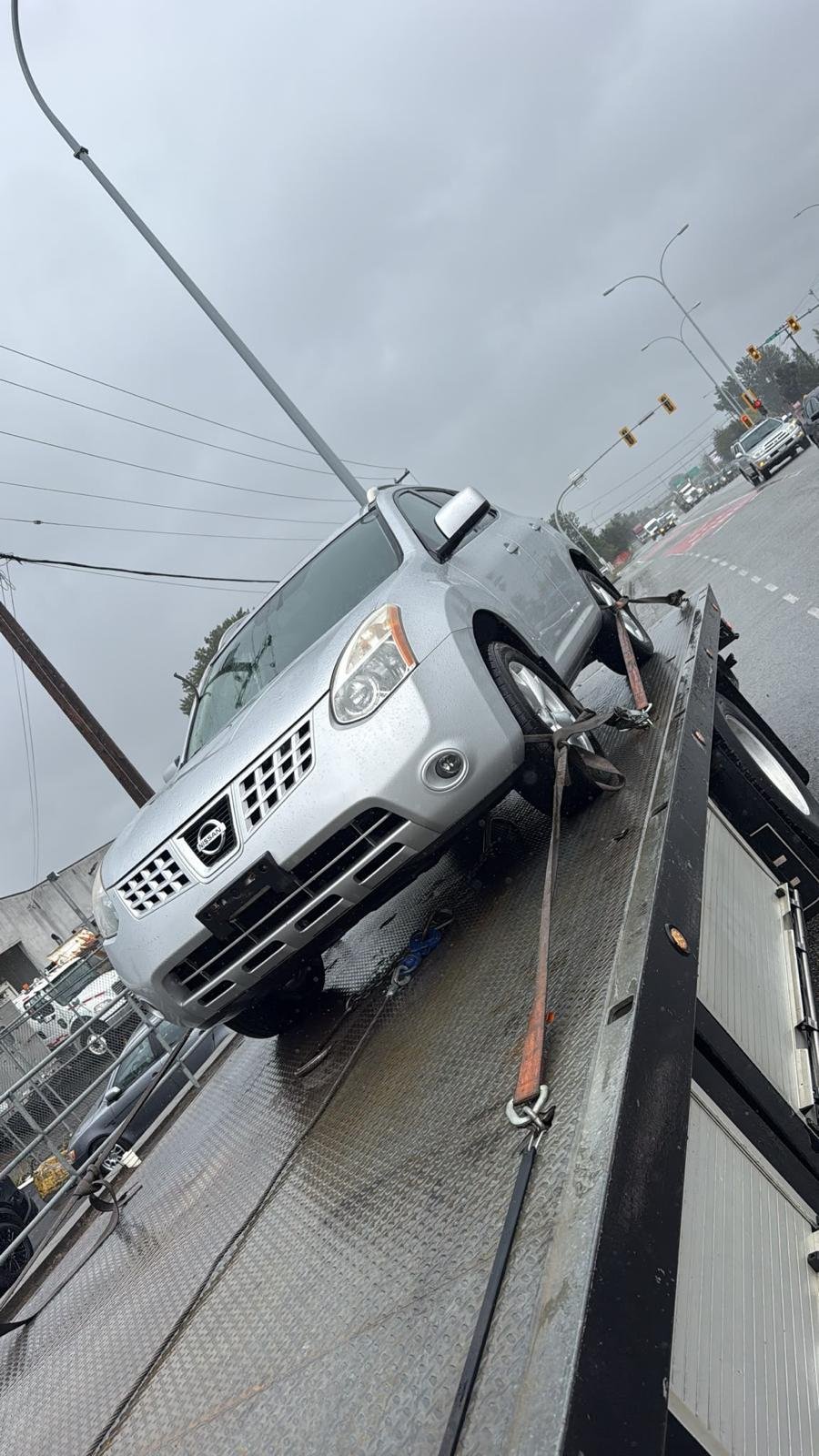
Determining the optimal time and method for disposing of an end-of-life vehicle in Richmond, British Columbia, requires a comprehensive understanding of both the local industrial landscape and the municipal regulatory environment. For residents looking to transition away from a non-functioning or unwanted vehicle, the process involves more than simply finding a buyer; it necessitates an evaluation of how regional metal processing demands and specific City of Richmond bylaws impact the final offer. At AZ Richmond Auto Recyclers, reachable at (236) 900-5025, the focus remains on providing a streamlined professional service that respects these local complexities while assisting vehicle owners in navigating the logistics of scrap car removal. Call (236) 900-5025 to discuss your vehicle.
The Impact of Local Metal Processing Demand
The valuation of a scrap vehicle is fundamentally tied to the global and local commodities markets, particularly the demand for ferrous and non-ferrous metals. In Richmond, the proximity to major industrial hubs and port facilities creates a unique dynamic for metal recycling. When a vehicle reaches the end of its operational life, its primary value shifts from its utility as a mode of transportation to its raw material content. Steel, aluminum, copper, and platinum group metals found in catalytic converters are all subject to price fluctuations that directly influence what a recycler can offer.
Local demand in Richmond is often driven by the efficiency of regional processing facilities. Facilities that can quickly sort, shred, and prepare metal for export or domestic reuse can often sustain more stable pricing models. However, it is important for sellers to understand that the “scrap value” of a car is not a fixed number. It is a reflection of the weight of the metal, the current market rate per ton, and the labor required to process the vehicle in compliance with environmental standards. Because these factors change daily, AZ Richmond Auto Recyclers emphasizes that a direct conversation is essential to establish a current assessment based on the specific year, make, and model of the vehicle in question.
Municipal Bylaws and the Urgency of Vehicle Removal
One of the most significant factors influencing the decision to scrap a car in Richmond is the strict enforcement of municipal parking regulations. The City of Richmond maintains rigorous standards to ensure street safety and neighborhood aesthetics, which can create immediate financial pressure on owners of stationary or uninsured vehicles. Navigating these rules is a critical component of maximizing the value of your scrap car, as avoiding municipal fines and towing fees preserves the net return on the vehicle’s disposal.
Street Parking Restrictions and the Three-Hour Rule
A primary concern for many Richmond residents is the limitation on long-term street parking. According to the Richmond Traffic Bylaw No. 5870, the city prohibits parking a vehicle for more than three hours between the hours of 8:00 a.m. and 6:00 p.m. on any street that abuts residential or commercial premises, unless the driver is the owner or occupier of those premises [1]. This regulation is designed to prevent city streets from being used as long-term storage for vehicles that are not in active use. For owners of scrap cars that may be parked on the street while awaiting a decision on their disposal, this three-hour window represents a significant risk. If a vehicle is flagged for exceeding this limit, the owner may face citations or impoundment, which adds unnecessary costs to the recycling process.
Driveway Clearance and Setback Requirements
In addition to time limits, the physical placement of a parked vehicle is strictly regulated. Under the same Richmond Traffic Bylaw No. 5870, all vehicles must maintain a minimum 1.5-meter setback clearance from the edge of any private driveway when parked on a city street [3]. This rule is frequently enforced in denser residential areas where street parking is at a premium. For a vehicle that is no longer operational, ensuring it is parked in a way that does not violate this setback is crucial. A violation not only invites a fine but also increases the likelihood of the vehicle being reported by neighbors, leading to a forced removal by the city rather than a planned transaction with a professional recycler.
Environmental Stewardship and Component Disposal
The process of recycling a vehicle in Richmond is also governed by environmental protocols regarding the handling of hazardous materials. Modern vehicles contain various fluids and components that require specialized processing to prevent environmental contamination. Professional recyclers play a vital role in this ecosystem by ensuring that lead-acid batteries, tires, oils, and coolants are managed according to provincial and municipal guidelines.
For example, residents who attempt to handle vehicle components themselves often encounter strict limitations at public facilities. The City of Richmond Recycling Depot, located at 5555 Lynas Lane, does accept certain automotive-related items such as Small Sealed Lead Acid (SSLA) batteries; however, they enforce a strict drop-off limit of only two units per day per resident [2]. This type of restriction highlights the logistical challenges of DIY vehicle decommissioning. By working with a professional service like AZ Richmond Auto Recyclers, owners can avoid the hassle of transporting hazardous components and ensure that the entire vehicle is handled in a single, compliant transaction. It is important to note that our operations are strictly focused on the recycling and recovery of materials; we do not sell used parts. This specialization allows for a more efficient focus on the industrial processing of end-of-life vehicles.
Factors Influencing Final Valuation and Eligibility
When considering the disposal of a scrap car, it is natural for owners to seek a clear understanding of what they might receive in return. However, it is critical to recognize that the scrap industry does not operate on a one-size-fits-all pricing model. Every vehicle is unique, and its value is determined by its physical condition, the completeness of its components, and the logistical requirements of its removal. Factors such as the presence of the original catalytic converter, the condition of the aluminum wheels, and the overall weight of the chassis all play a role in the final assessment.
Furthermore, the logistics of the removal process can vary significantly depending on the vehicle’s location and accessibility. Because of these variables, actual eligibility for recycling, the timing of the removal, the necessary paperwork, and the final price all depend on the specific details of the vehicle and a direct conversation with a professional. We encourage owners to reach out to AZ Richmond Auto Recyclers at (236) 900-5025 to discuss their specific situation.
References
[1] City of Richmond, “Parking Regulations,” https://www.richmond.ca/city-hall/bylaws/parking.htm
[2] City of Richmond, “Recycling Depot Services,” https://www.richmond.ca/services/recycling-garbage/recyclingservices/recyclingdepot.htm
[3] City of Richmond, “Towing and Parking Bylaws,” https://www.richmond.ca/city-hall/bylaws/parking/towing.htm
We do not sell used parts.
Local reference points
These current local reference points help frame a site-specific conversation:
- Richmond Traffic Bylaw No. 5870 prohibits parking a vehicle for more than three hours between 8:00 a.m. and 6:00 p.m. on any street abutting residential or commercial premises unless the driver is the owner or occupier. Source 1
- The City of Richmond Recycling Depot at 5555 Lynas Lane accepts Small Sealed Lead Acid batteries but enforces a strict drop-off limit of two units per day per resident. Source 2
- Under Richmond Traffic Bylaw No. 5870, all vehicles must maintain a minimum 1.5-meter setback clearance from the edge of any private driveway when parked on a city street. Source 3