
Richmond Small-Business Fleet Retirement: Assessing Vehicles and Keeping Asset Records Straight Call (236) 900-5025 to discuss your vehicle.
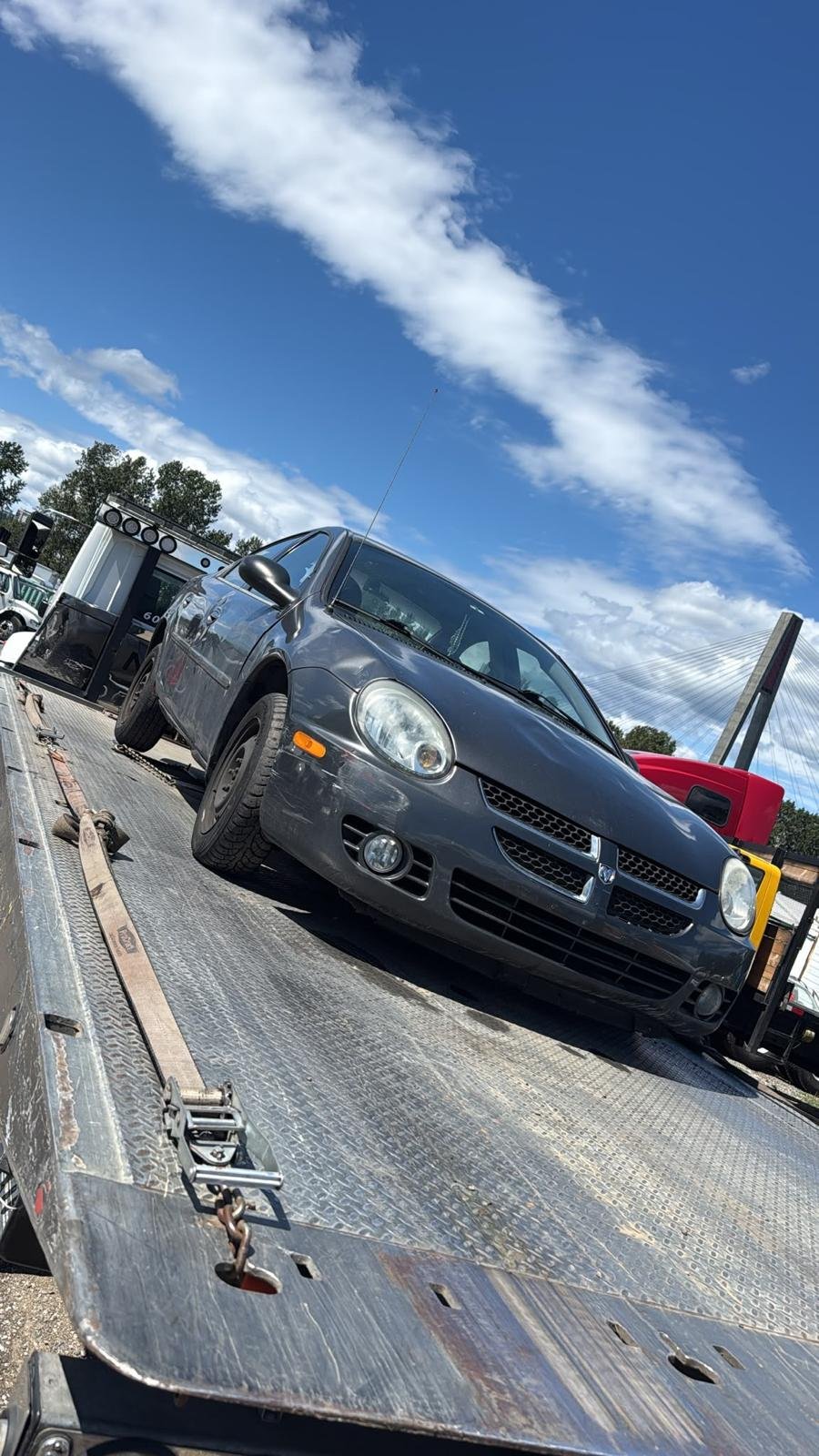
Retiring a work van, pickup, service car, or light commercial vehicle is an operating decision as much as a disposal decision. A Richmond business can lose useful information when a vehicle leaves the yard: the unit number may disappear from the asset list, ownership records may be separated from the vehicle file, and notes about fluids or access may be left in a text message. A short, seller-focused assessment keeps the business record clear without assuming a particular price, pickup schedule, licence, or recycling outcome.
This guide is for Richmond small businesses reviewing one vehicle or a small group of fleet units for retirement. The goal is not to predict value. It is to assemble accurate facts so the business can discuss the vehicle responsibly and make its own accounting, insurance, and disposal decisions.
Start with a vehicle-by-vehicle retirement assessment
Give every unit its own line in the fleet register. Record the make, model, model year, vehicle identification number, licence plate, odometer reading if visible, unit number, and the business location where it is stored. Add a plain condition note: running or not running, collision damage, missing components, warning lights, tire condition, and whether the keys are present. If the vehicle has been modified for a trade, describe the modification rather than treating the unit as a standard passenger car.
Separate observed facts from assumptions. “Engine did not start on the last test” is more useful than “engine is finished.” “Front bumper is missing” is more precise than “heavy damage.” Include the date of the last inspection or road use only if the business record supports it. A concise assessment separates known facts from open questions.
- Identity: VIN, plate, unit number, vehicle type, model year, and the business department that used it.
- Condition: running status, visible damage, missing keys, tires, battery, and any known fluid leak.
- Location: yard, leased lot, warehouse, or other authorized site, with gate, driveway, height, and surface constraints noted.
- Decision: retire, hold for repair review, transfer internally, or seek another disposition after management approval.
Do not remove a vehicle from the fleet register simply because it is parked. Mark it as under review until the business has confirmed who owns it, who may authorize its disposition, and what records must be retained.
Build an asset file that can survive a handoff
Match the vehicle to the company record
ICBC explains that registration is the official record of a vehicle and identifies its owner. For a vehicle already registered to another person or company in British Columbia, ICBC says the transfer of ownership and registration update are completed through a local Autoplan broker, and the buyer should have the required paperwork, including the registration in the seller’s name. Read the current requirements at ICBC’s vehicle registration guidance.
For a company fleet, keep the registration information with the asset file, along with the legal company name, internal asset number, purchase or lease record, and any lien or finance information known to the business. Do not treat a photocopy, old renewal notice, or duplicate internal spreadsheet as conclusive proof of ownership. If the company name has changed, the vehicle has moved between related entities, or a lease has ended, flag the discrepancy for the business’s Autoplan broker, accountant, or legal adviser before representing the record as complete.
Retain the decision trail
A small business should be able to show why a unit was retired and who approved the decision. Keep a dated management note, board or partner approval where applicable, the final condition assessment, photographs used for internal identification, and correspondence about the vehicle’s disposition. Record the date the vehicle was removed from active service separately from the date it left the property. Those dates may be different.
For accounting purposes, keep the asset register entry, accumulated depreciation information, lease closeout material, and any sale or disposal document together. This article does not determine the correct accounting treatment. Your accountant can tell you which records and tax documents apply to your business structure.
Account for Richmond operating context
Richmond’s official zoning material lists Commercial Vehicle Parking and Storage as Section 5.18 and places parking and loading requirements in Section 7 of Zoning Bylaw 8500. The City’s Zoning Bylaw 8500 index is the right starting point for checking the rules that may apply to a particular property and use. A fleet manager should therefore record whether a retiring unit is on a commercial or industrial site, in a shared lot, or on property controlled by someone else. Past use does not establish that storage is permitted.
Richmond also states that anyone conducting business in the City must hold a valid business licence and post it in a conspicuous place in accordance with City bylaws. For businesses operating from commercial or industrial districts, the City says Appendix C must be completed with the business licence application, and applications cannot be processed unless required forms, registrations, qualifications, and fees are submitted. Review the City of Richmond business licence information when a fleet retirement is connected to a change in business location, classification, or operating status. This is a regulatory reference, not a statement that a vehicle disposal transaction requires a new licence.
If a unit is a commercial truck, distinguish ordinary fleet storage from Richmond’s current Commercial Truck Parking Pilot Program. The City says the one-year pilot provides approximately 65 on-street spaces in the Fraserwood, Ironwood, Mitchell Island, and Vulcan Way industrial areas. It says parking is permitted overnight from 7:00 p.m. to 7:00 a.m. where posted, and that operators must purchase a permit and register the licence plate with the City. Details are on the City’s Commercial Truck Parking Pilot Program page. A seller should record whether the unit is using a designated space and preserve any relevant permit or plate information rather than assuming that a pilot-space arrangement transfers with the vehicle.
Handle fluid and material notes carefully
Do not pour, drain, or transport unknown vehicle fluids as ordinary garbage. Metro Vancouver states that hazardous waste and operational impact materials are banned at all of its waste facilities. Its list includes waste oil, and it explains that some materials require special handling while others have designated local or regional recycling depots. Read the Metro Vancouver hazardous-waste guidance before deciding how to handle fluids, containers, or other unusual materials associated with a retiring unit.
In the asset file, record whether fluid levels are unknown, whether a leak has been observed, and whether batteries, cylinders, tanks, or trade equipment remain installed. Avoid declaring that a material is hazardous unless a qualified source confirms it. The practical record is simple: describe what is present, identify any visible concern, and ask the receiving party what information it needs before discussing next steps. Follow applicable rules and obtain specialist advice when uncertain.
A seller-focused call checklist
Before contacting a vehicle recycler, buyer, transporter, broker, or other provider, assemble one factual summary per unit. Include the vehicle identity, company owner, location, access restrictions, running status, visible condition, keys, paperwork, and any known fluid or equipment issue. State whether the business has authority to release the vehicle and whether another party, such as a lessor or lienholder, may have an interest.
Ask process questions without presuming the answer. Confirm what documents are requested, who is authorized to sign, how the vehicle will be identified at handoff, whether the site is suitable for the proposed equipment, and what record the business will receive. Do not rely on an advertised payment amount, timing promise, or environmental statement until the provider explains the terms for the specific unit.
We do not sell used parts. If your Richmond business is reviewing a retiring fleet vehicle and wants to discuss the factual details, call (236) 900-5025. Have the unit number, location, condition summary, and available ownership records ready so the conversation starts with an accurate asset file.
Keep the final record together
After the business decides what to do, close the file with the approval, date, vehicle identity, signed document if applicable, and a note showing how the fleet register was updated. Retain copies according to professional guidance. A disciplined record gives a Richmond small business a clearer basis for discussing retirement and protecting its own records.