
Richmond commercial vehicle plate return insurance steps deserve their own short plan when a work van, service truck, or company car is being retired. The vehicle’s collection or sale discussion is only one part of the decision. The owner or authorized business representative also needs to keep the registration, plates, insurance timing, and property-access facts straight. AZ Richmond Auto Recyclers buys unwanted vehicles and can discuss the vehicle information and access details needed for a practical removal conversation. We do not sell used parts. Call (236) 900-5025 to discuss your vehicle.
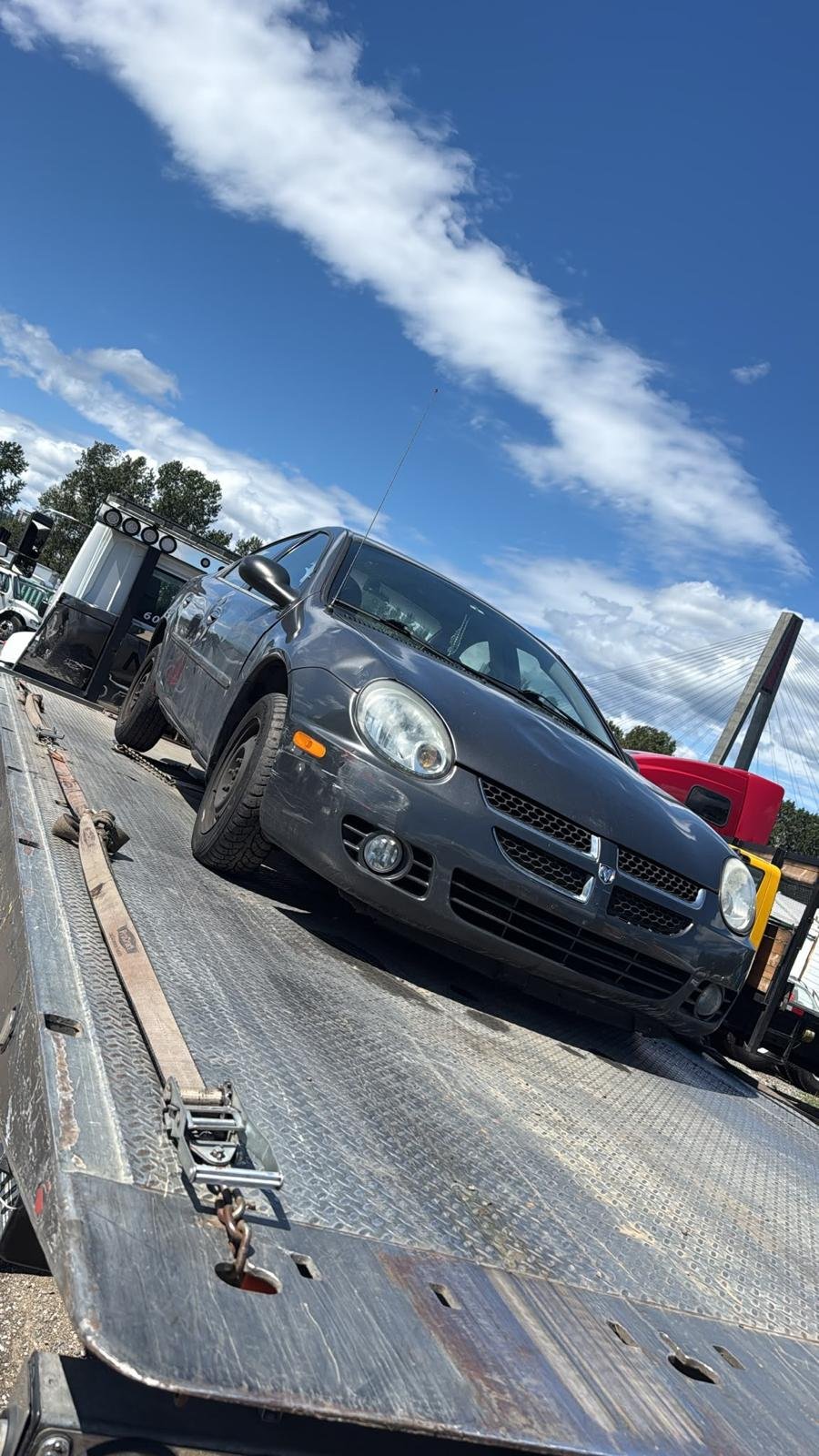
Richmond commercial vehicle plate return and insurance closure
Start by separating the vehicle’s physical handoff from the insurer’s records. ICBC says that when insurance is cancelled, licence plates must be returned to an Autoplan broker; if insurance simply expires, plate return is not required. Its cancellation guidance says to bring the plates and the owner’s certificate, which combines insurance and registration. For a jointly owned vehicle, both owners need to attend. These are useful facts to confirm before a business closes out a vehicle file, not promises about a particular transaction.
For a company-owned vehicle, identify the person who can speak for the registered owner before arranging a pickup. Keep the owner’s certificate with the file, note whether any plate is still attached, and check whether the business has an insurance payment date approaching. ICBC notes that a payment-plan customer should cancel at least one day before a payment is due. An Autoplan broker can explain the applicable cancellation and refund details for the actual policy.
Keep the record clear before arranging access
- Confirm the registered owner and the person authorized to speak for that owner.
- Record whether the licence plates are still on the commercial vehicle.
- Keep the owner’s certificate available for the Autoplan visit.
- Note the policy timing, especially if the account uses a payment plan.
- Describe the vehicle’s Richmond location, entrance, clearance, and any property contact.
This checklist does not replace an Autoplan broker’s advice. It helps avoid mixing a vehicle-removal conversation with insurance or registration assumptions. If a business has more than one retiring asset, giving each vehicle its own brief record also helps the person handling the plates and certificate identify which file is being closed.
A Richmond private-lot handoff is not the same as a curbside pickup
Richmond’s private parking lot towing process is a useful local reminder for a vehicle located at a commercial property. The City says a property owner or the owner’s authorized agent must receive a Towing Permit before towing activities begin from a private parking lot. The Towing Permit application process includes sign wording, a site plan, and two inspections. That process is about the property’s towing authorization; it should not be assumed to apply automatically to every arranged vehicle sale or removal.
For a business vehicle behind a gate, in a tenant area, or in a marked lot, ask the property contact to clarify the pickup location and the site’s rules. The City’s commercial-lot examples include conditions such as customer-only stalls, reserved employee parking, no overnight parking, and keeping roadways or fire lanes clear. A short location note can prevent a driver from arriving at the wrong entrance or blocking an area the property needs to keep open.
Details that make the Richmond location easier to describe
Use plain, factual notes. Identify the street-side entrance or loading area, whether another vehicle must be moved, the name of the property contact, and any marked lane that must remain clear. If the vehicle is in a private lot, confirm the business has the authority to make the arrangement. If the location is controlled by a landlord or strata, let the person responsible for the property resolve any access question before setting a collection time.
Richmond’s Towing Permit page also explains that an application is reviewed by City staff and that approved information and tow-company signs have specified placement requirements. That is why a business should not treat a private-lot vehicle as if it were simply parked on an unrestricted street. The local point is not to turn an ordinary removal into a bylaw project; it is to give the right person a chance to confirm access and authorization before the vehicle is moved.
Ask what happens after the commercial vehicle leaves the property
A seller can also use the discussion to understand the end-of-service path without making assumptions about individual components. B.C.’s vehicle-recycling guidance says dismantling can include draining fluids and dismantling vehicles, while crushing can prepare vehicles for transport to scrap-metal recyclers. It also notes that a facility dismantling more than five wet vehicles in a calendar year must register with the provincial government. Those rules address the operator’s environmental obligations, not a customer’s promise of a particular recycling outcome.
For the business that is retiring the vehicle, the useful question is narrower: which internal records should remain after the vehicle has left the property? Keep a copy of the ownership and insurance paperwork the business used, the name of the person who authorized the handoff, and any internal asset or fleet record that needs to be updated. That is especially useful when a manager, bookkeeper, and property contact are different people.
Use Richmond’s business-recycling resources as a broader records prompt
The City of Richmond’s Business Recycling Resources Program offers businesses support such as customized training, workshops, advice on a Recycling and Waste Reduction Plan, and help completing a waste audit. A retired commercial vehicle is not the same as routine business recycling, but the program’s planning approach is a helpful reminder: document the material or asset, assign responsibility, and keep the next step clear. Businesses that are reviewing several end-of-service items can use that same discipline for vehicle files, waste contracts, and internal asset records.
Before contacting AZ Richmond Auto Recyclers, gather the vehicle description, its Richmond location, access notes, registered-owner information, and the relevant property contact. Then deal with insurance cancellation and plate return through an Autoplan broker when that step applies. Keeping those jobs distinct makes the conversation clearer for the business and avoids treating local property approval, plate return, and recycling as one interchangeable process.